A supervised medical exchange program in coastal Ghana.
Everything is arranged — supervision, placement, the apartment, airport transfer — so you can focus on the clinical work and the experience. One non-profit program, built around real exchange between visiting students and the Ghanaian clinicians who lead it. Local clinicians are the experts; you learn alongside them, within your scope and always supervised.
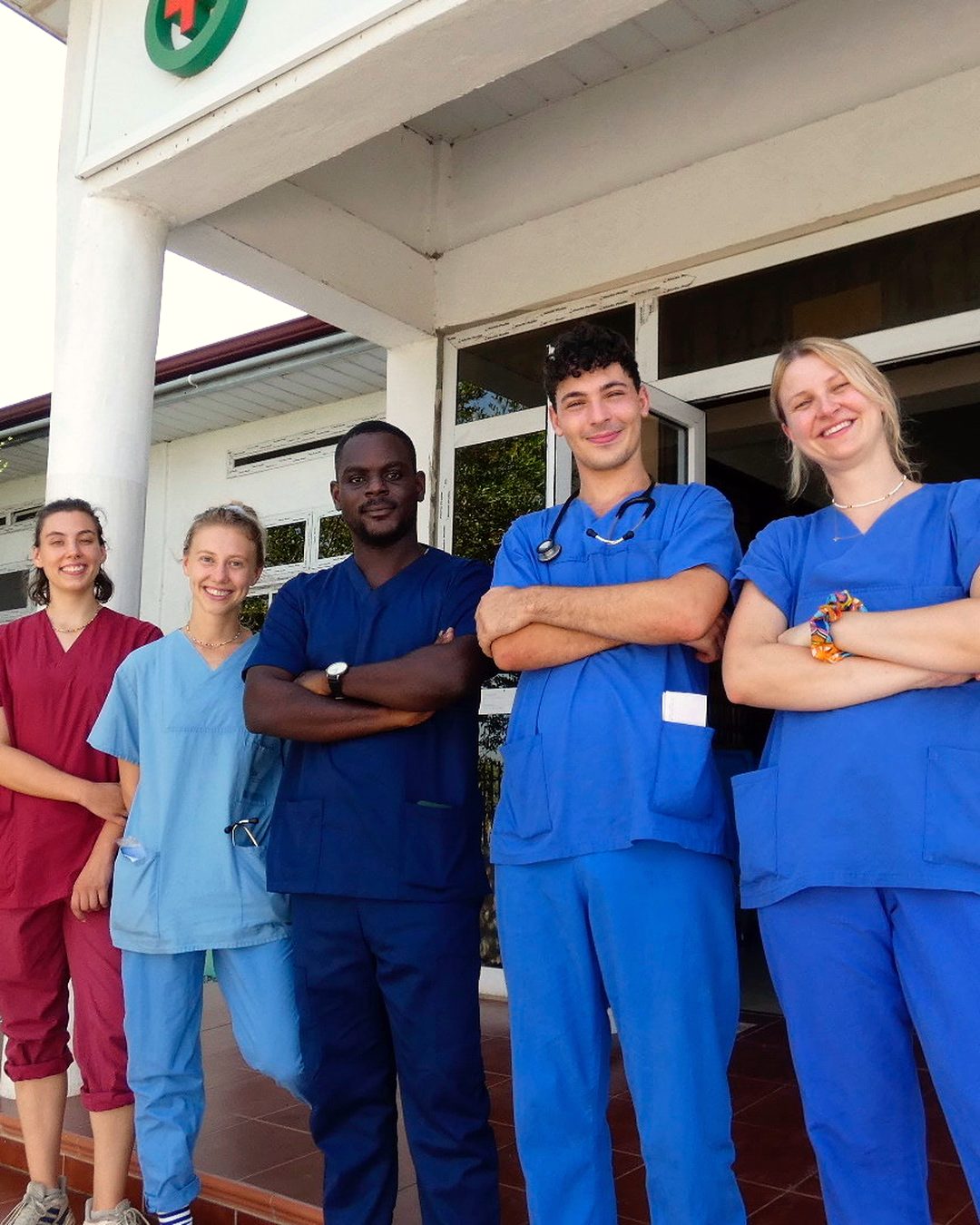
Arranged end to end, so nothing stands between you and the work.
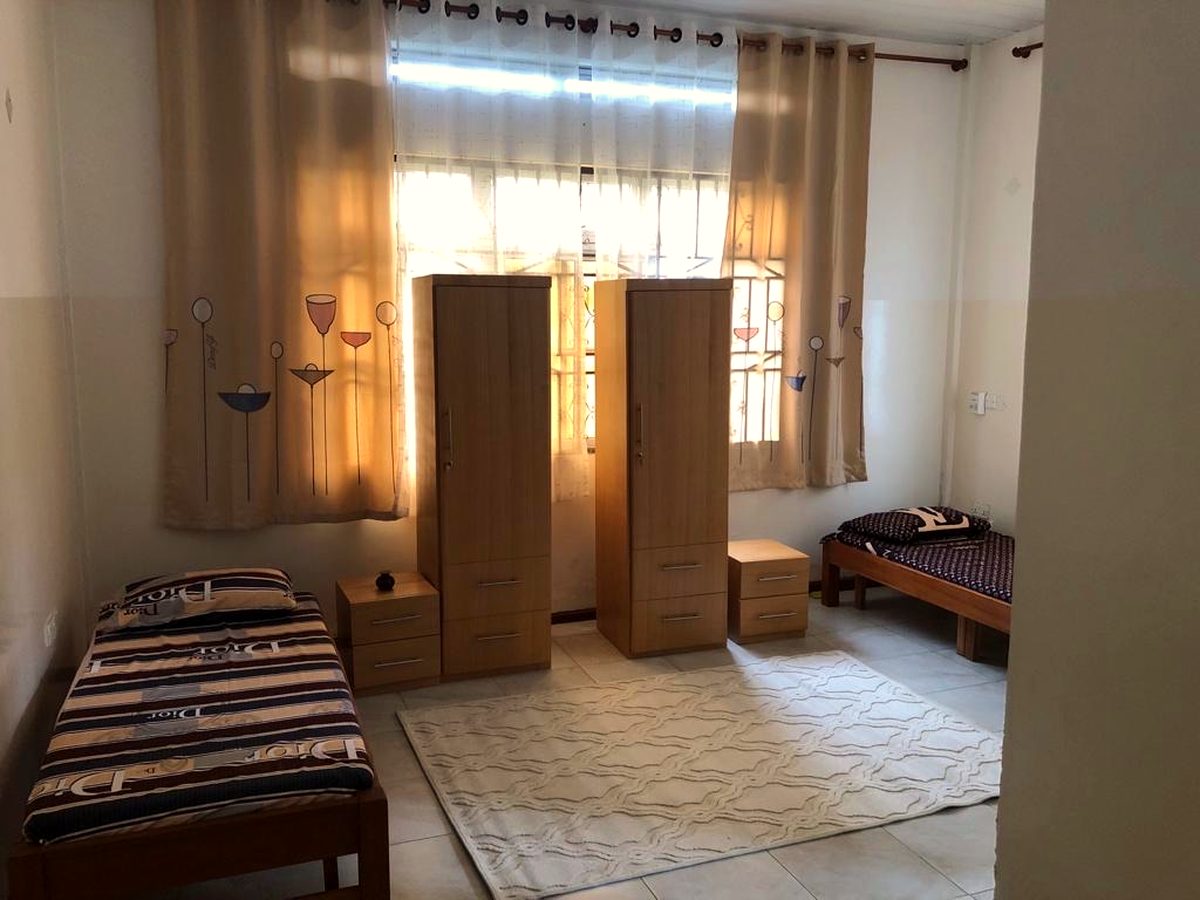
A shared apartment, ready the day you arrive.
You stay in an apartment on the grounds of the GF Brafoyaw Medical Center — a shared living room, a kitchen and dining area, seven bedrooms and seven bathrooms. It is safe, comfortable and within easy reach of the hospitals, with a tricycle on hand for getting around Cape Coast.
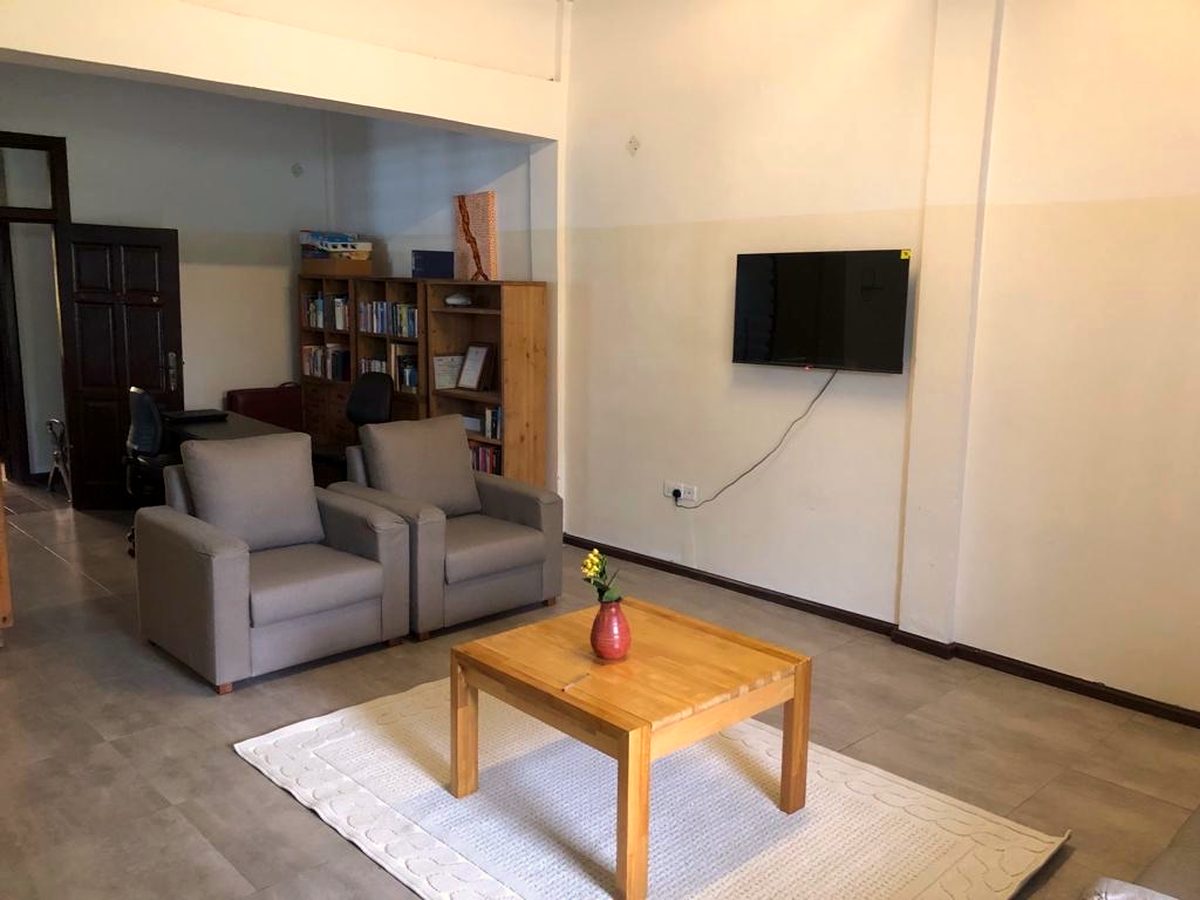
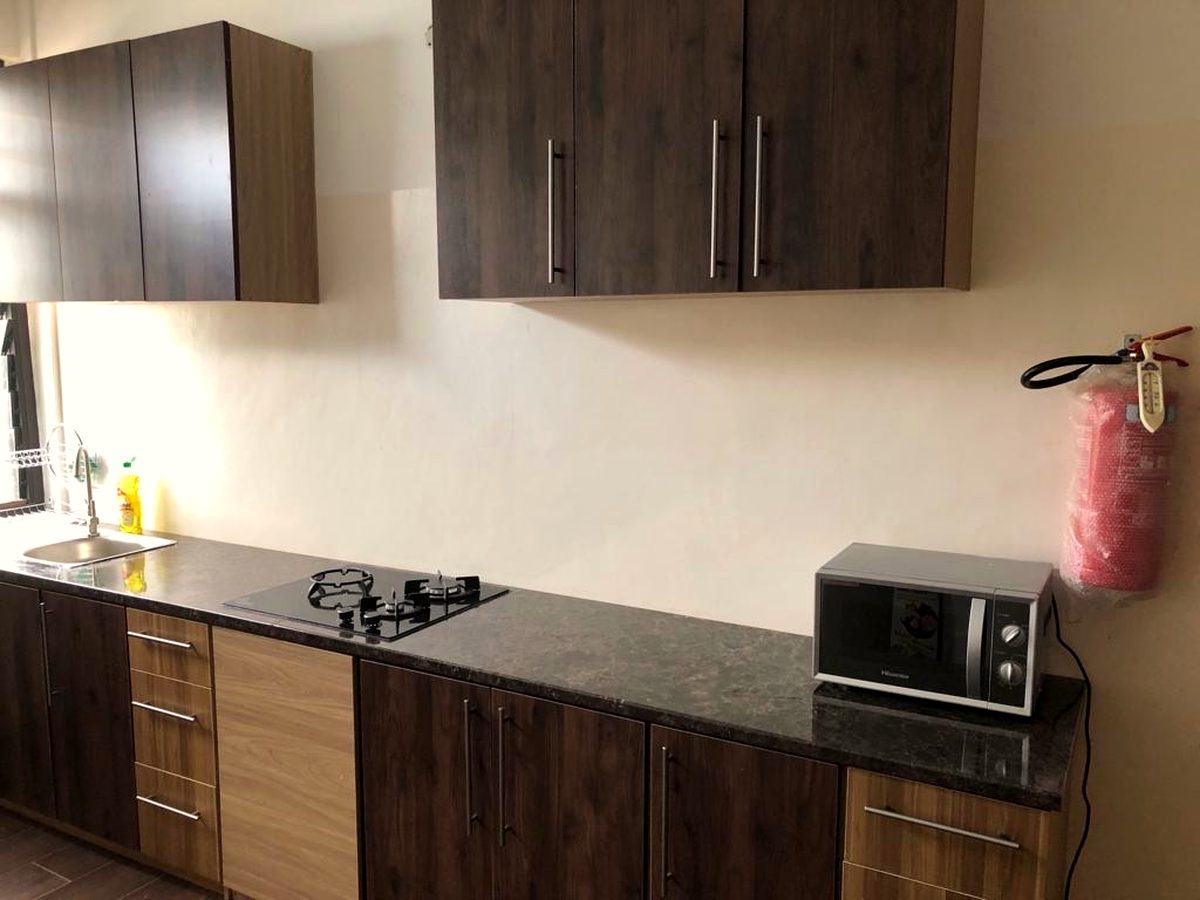
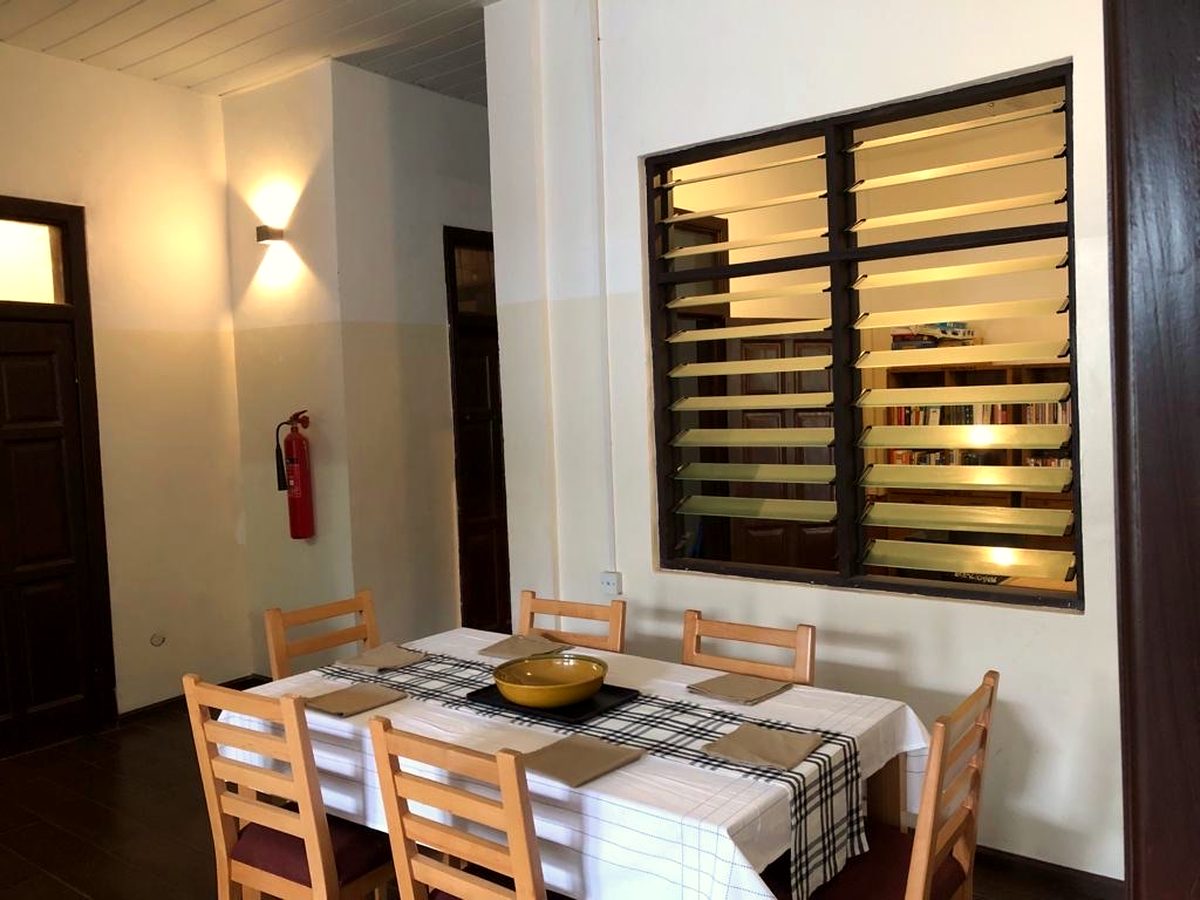
Four steps from first message to first ward round.
We keep it human and unhurried — a real conversation, not a checkout. Most students confirm a place two to four months ahead. The duration is flexible, completed as a Famulatur, PJ tertial or elective.
Apply & introduce yourself
Send a CV and a short motivation letter with your field, your stage of study, your goals and your rough dates. No fee to enquire.
Plan your placement together
We match you to a hospital and rotations that fit your scope, and agree supervision and dates with the resident team.
Prepare to arrive
Housing, logistics, visa guidance and a pre-departure briefing — including how to visit sites of memory with care.
Begin the exchange
You arrive to an airport transfer from Accra, the team settles you in, and you start learning alongside the clinicians who lead your rotation.
For health-science students, at the right point in their training.
We welcome students in medicine, nursing, pharmacy, psychology, physiotherapy and the allied-health and public-health professions — typically those who have completed enough pre-clinical study to take part meaningfully and safely.
Whether you call it an elective, a Famulatur, a PJ tertial or a placement abroad, we will help you map it to your home university's requirements.
In an accredited program, anywhere in the world.
Enough training to observe and assist safely, within your scope.
Ghana's official and clinical working language; German speakers are very welcome.
Here to learn from local experts — within your scope, always supervised.
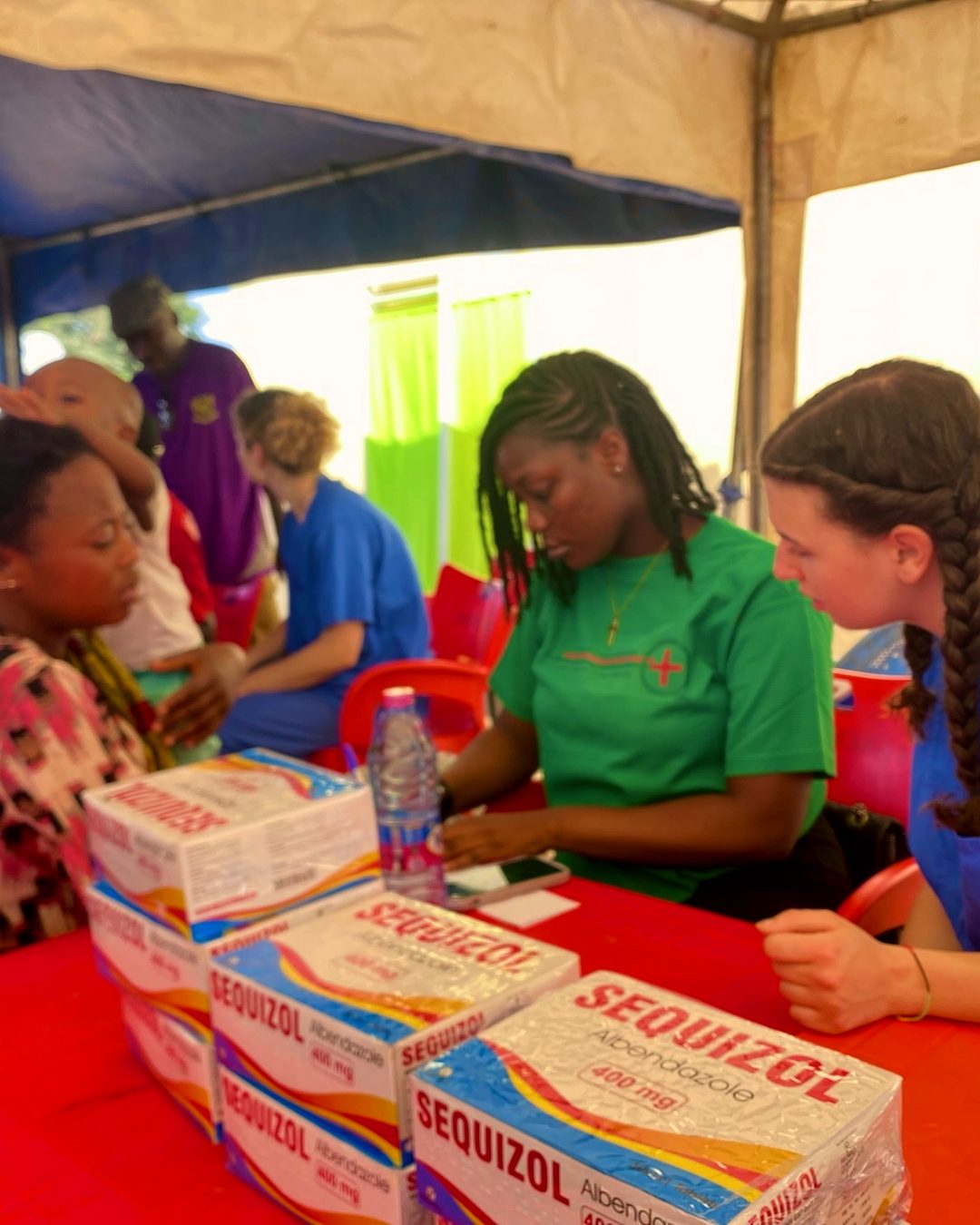
Public health, beyond the hospital walls.
On scheduled days the team takes free health screening out to rural communities. It is one of the highlights of the program — community medicine you take part in directly, alongside the clinicians who run it, and a chance to see how care reaches people where they live. It is partnership and mutual learning, not charity.
What it costs — set out plainly, with no organization fees.
As a non-profit, we charge no organization fees. The figures below are indicative, to help you plan; living costs on the ground in Cape Coast are very low.
The questions students ask us most.
Who can apply to the program?
Enrolled students in medicine, nursing, pharmacy, psychology, physiotherapy and the allied-health professions, anywhere in the world, who have completed enough pre-clinical study to take part meaningfully and safely. Working English is needed; German speakers are very welcome.
How long is a clinical rotation with MedXchange Africa?
Typically four to eight weeks. The duration is flexible and can be adapted to your university's requirements and your own schedule — tell us what you need and we will work around it.
When can I start, and is there an application deadline?
There are no application deadlines and you can start at any time of year. Places are limited, so the earlier you apply, the more flexibility you have with your dates and your placement.
Can the placement count as a Famulatur, PJ tertial or elective?
Yes. The placement is flexible in duration and can be completed as a Famulatur, a PJ tertial or an elective. We help you map it to your home university's requirements.
What does the program include?
Supervised placement and clinical rotations, free medical outreach days, inclusive-education work, accommodation in an apartment on the grounds of the GF Brafoyaw Medical Center, airport transfer from Accra to Cape Coast, a tricycle for local transport, weekend tours and warm, personal support.
What does it cost?
There are no organization fees. Indicative costs are: flights from approx. €600, visa approx. €110, accommodation €100 per person per week, and a hospital fee of US$200 per month. Living costs on the ground are very low.
Which vaccinations and malaria prophylaxis do I need?
A yellow fever vaccination is a legal requirement for entry into Ghana. Malaria prophylaxis is strongly recommended. Arrange a travel-medicine consultation (in Germany, a Tropeninstitut) well before departure — they will give you the full, current vaccination schedule for your situation.
Do I need travel health insurance?
It is not compulsory, but we strongly recommend international health insurance that covers your whole stay, including repatriation.
Is it safe in Cape Coast?
Ghana is one of the most stable countries in West Africa and Cape Coast is a calm coastal city; visitors very rarely run into trouble. You live on the grounds of a medical centre, the resident team is there for you throughout your stay, and the same everyday travel sense applies as anywhere. Check your own government's current travel advice before you book.
Ready to map your rotation?
Start with a short message — your field, your stage and your dates. We'll take it from there.
Prefer email? Send your CV and a short motivation letter to [email protected].